 Español
 Русский
 Deutsch
 Português (Brasil)
 Français
 Italiano
U.S. Justice Charges for Torture and Drug Terrorism Against Maduro and His Wife
The U.S. is charged with torture and narco-terrorism against Nicolás Maduro and Cilia Flores. The court rejected house arrest.

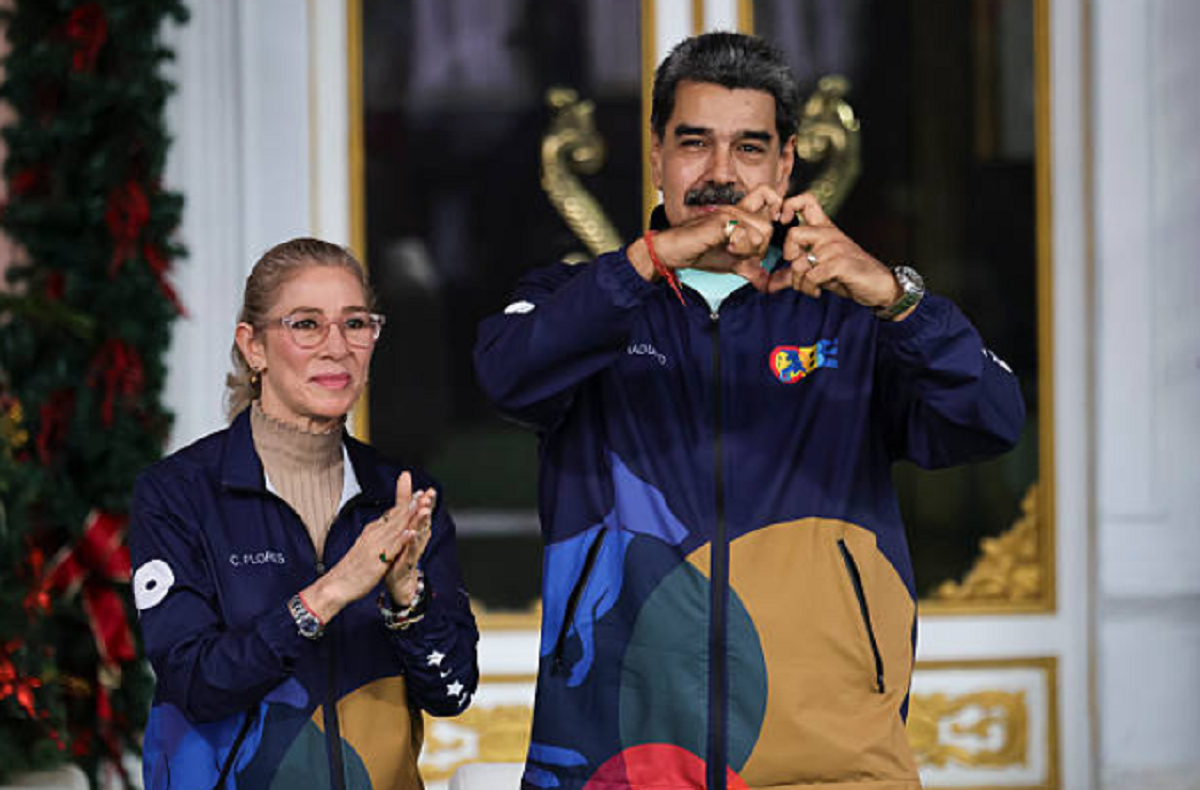
U.S. justice brought charges for torture and narco-terrorism against the deposed Venezuelan president and his wife, while the court rejected a request for house imprisonment.
The fall in misfortune of the Chavista dome amounts to a dark new judicial chapter on American soil. In the last few hours, the United States Justice has made a new charge against the deposed Venezuelan president Nicolás Maduro and his wife, Cilia Flores, who formally accused them of conspiracy to commit torture, a crime that is added to the already serious charges of drug trafficking and arms trafficking that have been on them since their capture in Caracas on January 3 and their subsequent transfer to a federal prison in Brooklyn.
A systematic strategy of “repression and torments” designed to armored the regime and crush any glimpses of dissent is detailed in the letter submitted by the New York Office of the Prosecutor. Far from being limited to the persecution of local opponents and military, the file accuses the couple of inflicting aberrant abuses against at least three U.S. citizens, using methods ranging from extreme psychological pressure to electric shocks and direct threats to the relatives of the detainees.
Historical and comparative history of repression in power
The systematic use of State security apparatus for political amedrentation in Venezuela is not a new phenomenon, but the scale described by the U.S. federal justice system raises the case to the category of transnational crimes. During the years of authoritarian exercise, various reports of international human rights organizations had already documented patterns of arbitrary detention and cruel treatment in clandestine centres and police stations in the Caribbean country.
However, the particularity of this cause lies in the individualization of direct orders and the involvement of the family dome in the supervision of these practices. Historically, few Latin American hierarchies have faced criminal persecution of this magnitude in foreign courts on such serious charges of State terrorism and gross violations of fundamental human rights.
Regional analysis and impact on the Latin American board
The relentless advance of American justice over Maduro-Flores marriage reforms the geopolitical map of Latin America and leaves the few diplomatic terminals that still try to justify the Chavista legacy in absolute orphanage. For democratic governments in the region, the judicial process in New York acts as a severe reminder of the limits of impunity and the international criminal responsibility of autocratic leaders.
Political analysts agree that this hardening of charges sends a clear signal to other related regimes on the continent. The fall of the highest references of Chavismo and its exposure in judicial stands show that the institutional protection networks have a time and geographical limit, making this process an unprecedented milestone for hemispheric jurisprudence in the fight against narco-terrorism and systematic torture.
Official and judicial statements to the defence
In the same judicial movement, the Office of the Prosecutor extended to Cilia Flores the charge of conspiracy to commit narco-terrorism, a crime that so far fell exclusively on Maduro. The tax letter details that both “inflicted intense physical and mental pain and suffering” with the clear objective of silencing dissent and preserving their power structure through terror.
In parallel to the hardening of the sentences, the New York court gave a final cover to the claims of the former lady’s defence. The lawyers had applied for the benefit of house arrest on the grounds of an alleged progressive deterioration of their heart health after months of imprisonment in a Brooklyn prison with 40 other prisoners. However, federal judge Alvin Hellerstein dismissed the request after warning, together with the prosecutors, that his release represented a “extreme” risk of escape and a potential threat of intimidation of key witnesses.
Future projection of a trial without return
The judicial scene for the Venezuelan presidential ex-couple is moving towards a historic trial that promises to set global precedents on universal jurisdiction for crimes against humanity. With a file armored by direct testimony, financial expertise and documentary evidence on drug terrorism and torture, the possibilities of legal defence are drastically reduced.
To go forward, the process in New York will not only mark the personal fate of Nicolás Maduro and Cilia Flores behind the bars of maximum security, but it symbolizes the definitive closure of a political era in Venezuela. The strength with which the United States justice system rejects any prison privilege anticipates a lengthy and uncompromising debate on the consequences of corrupt State institutions for its own benefit.