
 Español
 Русский
 Deutsch
 Português (Brasil)
 Français
 Italiano
Diplomacy and Health: Trump will talk to Putin about the suspicion of plague in Russia
Trump announced that he will soon talk to Putin about the possible case of pneumonic plague in Siberia. Washington and WHO call for transparency from Moscow.

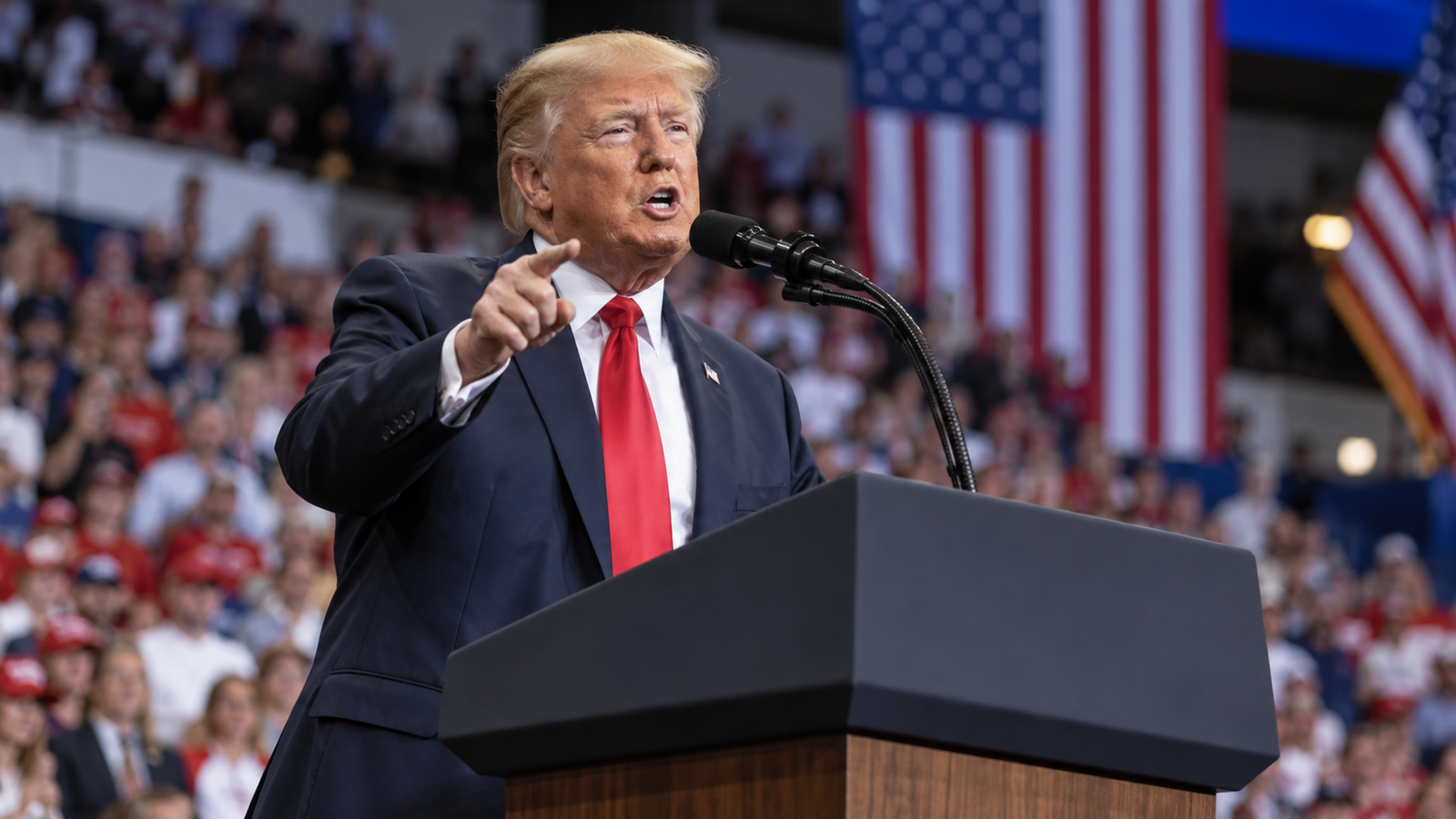
U.S. President Donald Trump publicly announced that he plans to maintain a phone communication “very soon” with his Russian counterpart, Vladimir Putin, to address reports of the possible death of a woman employee at a scientific institute in Siberia. The president’s confirmation was given in the framework of a press conference at the White House, where he further noted that the intelligence services and the diplomats of both countries have in-depth discussions on the matter.
The U.S. administration’s pronouncement is aligned with the demands made by the World Health Organization (WHO) and the US State Secretariat. United States, agencies that formally urged the Russian government to provide more technical information about the episode in the Irkutsk region. In that connection, the Secretary of State, Marco Rubio, during an official visit to Iceland, stressed the need for Moscow to act with the opening and exchange of data with the international community.
At the diplomatic level, the United States government sent a confidential note to the Russian authorities warning that the lack of details about the event is contrary to commitments made in the framework of global health regulations. Trump, for its part, ratified Washington’s willingness to work technically with Moscow if necessary.
The opposite versions about the death in Siberia
International concern was kindled after the death of 28-year-old Daria Shipilova, a laboratory technique that was performed in a centre specialized in the study of pathogens in Irkutsk. Russian local and independent media reported that the professional could have contracted pneumonic plague after a work incident involving the rupture of a test tube with biological material on September 25, which added reports of a possible preventive isolation of dozens of people linked to the victim’s environment.
However, the official units of the Russian Federation categorically rejected this information. The state health and consumer control body, Rospotrebnadzor, denied the veracity of documents disseminated on digital platforms about alleged epidemiological restrictions or emergency closures in the Irkutsk region, cataloguing such reports as false and ensuring that the local health situation is maintained under stable parameters.
For his part, the governor of the Irkutsk region, Igor Kobzev, issued a report supported by a committee of experts that concluded that the death of the worker was due to pneumonia of undetermined origin. According to data from the regional government, no requests for medical care by other employees of the institute or suspicious symptomatology in close contacts have been recorded.
Assessment of WHO risks and disease characteristics
In the face of the crossing of versions, WHO Director General Tedros Adhanom Ghebreyesus noted that the exchange of timely and detailed information under the International Health Regulations is essential to clarify contradictory reports and to investigate whether there is any real risk to international public health.
At a press conference in Geneva, WHO spokesman Christian Lindmeier presented the agency’s risk assessment based on the technical data collected so far. The institution classifies the level of epidemiological risk as “moderate to low” for the Irkutsk area, “low” for the territory of the Russian Federation as a whole and “very low” for the European continent.
Pneumonic fever is an infection of bacterial origin that affects the respiratory system, with the capacity for inter-human transmission by means of gothicles in the air and a high rate of lethality if it does not receive appropriate therapeutic approach. It differs from the bubonic plague, which mainly affects the lymph nodes and requires the bite of infected fleas for their spread.
Immediate scenarios in diplomatic relations
The outcome of the exchange of information on this health episode is subject to direct communications between Washington and Moscow. The US President anticipated that he will present a review of the discussions with the Russian authorities over the next few hours.
The attention of biosafety analysts and the diplomatic sector will remain focused on the epidemiological reports that Rospotrebnadzor sends to the WHO, as well as on the findings of the medical audit initiated on the facilities of the Irkutsk Institute.