
 Español
 Русский
 Deutsch
 Português (Brasil)
 Français
 Italiano
Climbing in the Middle East: Hutian Rebeldes attacked airports in Riyadh and Aden
The Huti rebels attacked with missiles and drones the airports of Riyadh and Aden. The war escalation boosted the price of oil globally.

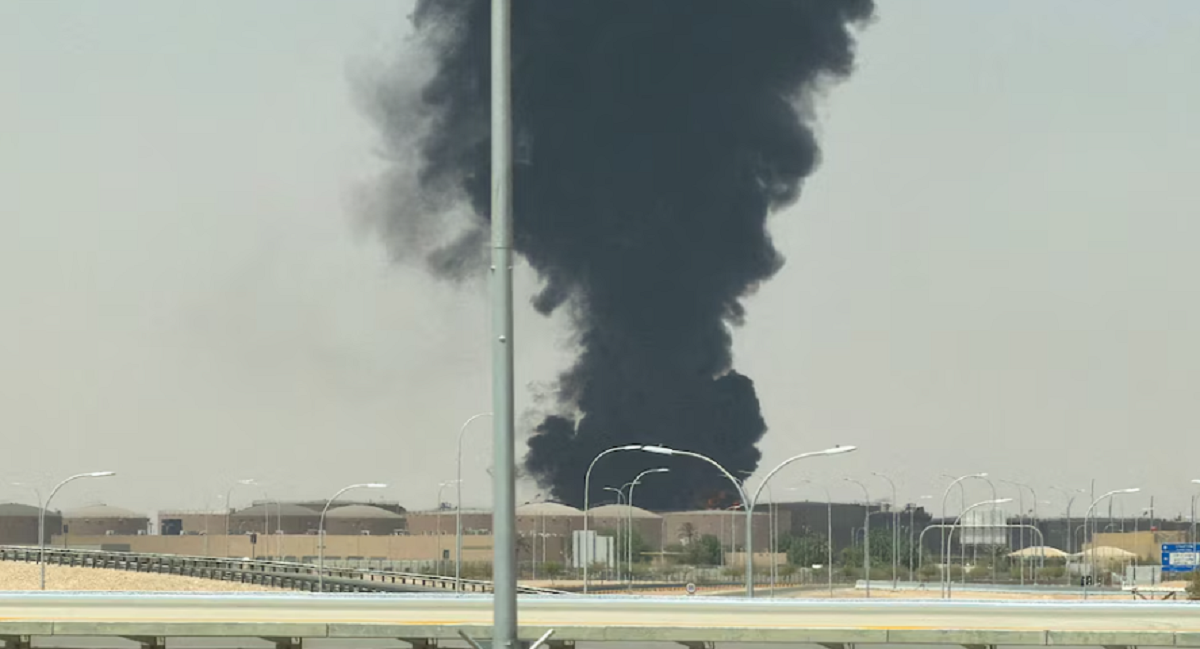
The insurgency of the Huti rebels in Yemen was attributed on Wednesday to a series of combined drone and ballistic missile attacks against the King Khalid International Airport in Riyadh, the capital of Saudi Arabia, as well as against airport facilities in the city of Aden, the headquarters of the Yemeni government recognized by the international community.
The insurgent military spokesman, Yahya Saree, stated through a statement that the air actions were able to alter commercial traffic in the Saudi capital. For its part, the military coalition led by Riyadh reported on the interception and destruction of a ballistic missile heading towards the northern sector of Riyadh.
The shelling wave also reached the Saudi airports of Abha, Jazán and Najrán, in addition to the Khamis Mushait air base. According to the insurgent report, the armed incursion included direct beatings on Saudi military camps in the border regions of Jizan and Air, leaving as a balance tanks of weapons destroyed and casualties in the enemy ranks.
Immediate impact on energy markets
The resumption of military hostility and the risk of interruptions in international supply immediately led to oil prices in major trade exchanges. Brent’s crude barrel increased by 0.92%, above $101.51, while the US West Texas Intermediate (WTI) climbed in the same proportion to 90.25.
$per barrel.
The increase in international contributions reflected market concerns over the safety of maritime and oil routes. However, authorities of the Ministry of Energy of Saudi Arabia noted that the distribution flows through the Este- West pipeline and the exits of crude through the Gulf tracks are kept operational with sustained volumes for
to cushion the impact on global supply.
Diplomatic condemnation and progress of civil conflict
The Ministry of Foreign Affairs of the Yemeni government emphatically condemned the attacks directed against civil infrastructure and sacred sites, cataloguing Huti action as an escalation of violence that puts international commercial aviation and the population of the region at direct risk.
According to reports from the Saudi General Civil Aviation Authority, the impacts on south-west terminals left at least three people with minor injuries and considerable material damage.
The missile incursions occur after the Huti insurgents broke a four-year ceasefire and took control of large areas on the western coast of Yemen over the Red Sea. The reoutbreak of the combat actions generated the cruelest armed clashes in the area in recent years, reactivating the instability in the maritime corridor of the Strait of Bab el-Mandeb and the Gulf of
Aden.