
 Español
 Русский
 Deutsch
 Português
 Français
 Italiano
Electoral progress in Spain paralyzes budgets 2027 and major economic reforms
The dissolution of the Cortes in Spain following the announcement of advanced elections is holding back key projects such as the 2027 budgets, autonomous financing and health reforms.

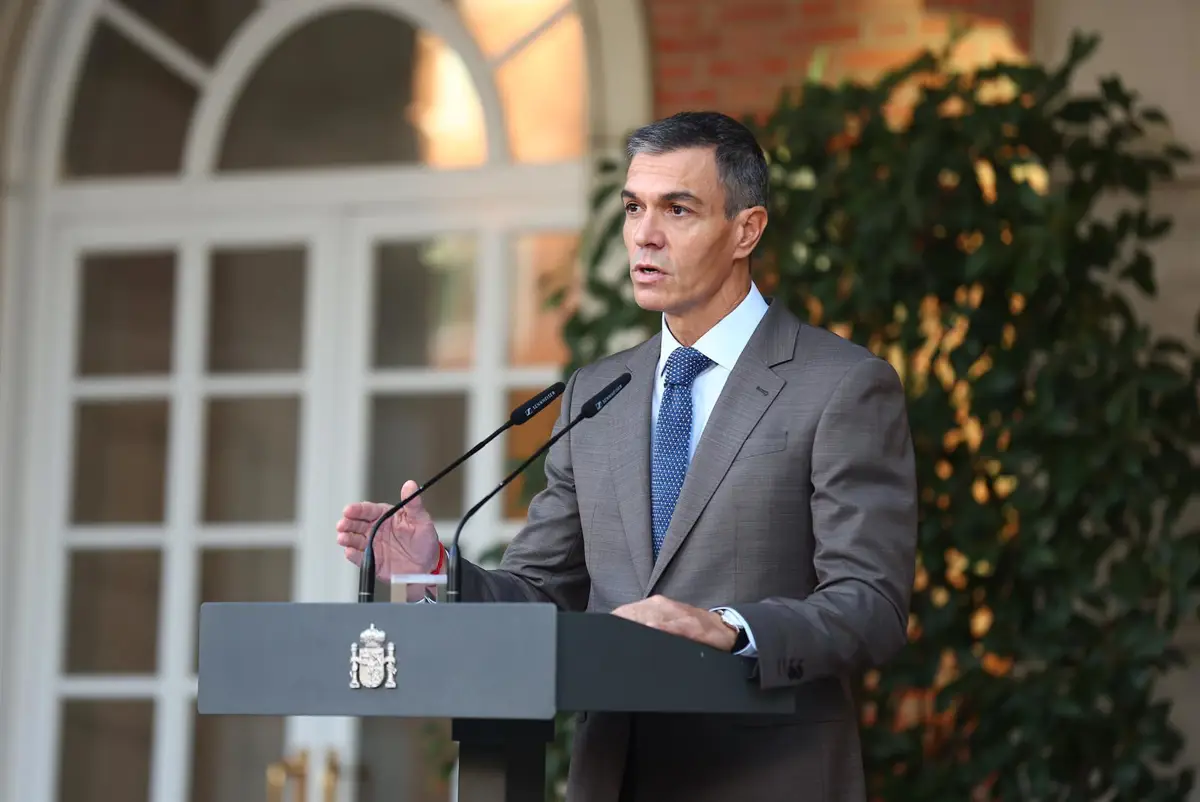
The recent announcement by the President of the Spanish Government to convene early general elections on 29 November, with the subsequent dissolution of the Cortes, has had an immediate impact on the legislative landscape. The search for a new parliamentary majority to “continue to reform Spain” has led to the total cessation of the machinery of Congress, leaving large economic projects in the air.
This legislative brake is, in the first instance, a containment of public expenditure. A number of laws under way, such as the General State Budget (PGE) by 2027, the new model of autonomous financing and debt forgiveness to communities, are suspended.
State General Budgets 2027: a failed project
The main damage is the State General Budget project for 2027. This plan, which provided for a record expenditure ceiling of more than EUR 226 billion (an increase of 6.6% from 2026), cannot be processed by the Permanent Council. This means that the legislature concludes without updated public accounts, which means that spending, investment and structural reforms are paralyzed.
The lack of budgets directly results in a shortage of public investment, especially in infrastructure. During this term of office, budgetary management has been sustained by credit changes that exceed EUR 8 billion over the 2023 budget.
Despite this scenario, experts point out that the Spanish economy will continue to move forward. Antonio Pedraza, President of the Financial Commission of the General Council of Economists, says that the country will maintain “the inertia of growth,” driven by domestic demand and European funds Next Generationwhich have acted as an engine against budget extensions.
Autonomous financing and regional debt in limbo
Another key project that is blocked is the new model of autonomous financing, which was intended to replace the one in force since 2009. This plan included providing the self-government with an additional EUR 21 billion and giving them a greater share of the state tax collection.
In addition, the promised debt cancellation of the regions with the Autonomous Liquidity Fund (FLA), which amounted to more than EUR 8 billion, is stalled in its parliamentary process.
Uncertainty in transport and energy transition
The electoral advancement also leaves questions in key sectors. In the field of transport, the future of aid and subsidies to fuel and public transport, which expire at the end of the year, is unknown. In addition, the regulatory development of the Sustainable Mobility Act is on hold.
In the energy sector, the Climate Emergency Pact and electricity planning for 2030 (which projected $17 billion in investment) suffer a stop. There are also crucial measures to attract millions of dollars in data, cogeneration and marine wind energy centres, as well as the renewal of the National Energy Commission.
Stalled health and financial reforms
The health sector is frustrated by four major reforms. The controversial draft law of the Framework Statute, which sought to renew the working conditions of medical personnel, was in decline with the dissolution of the Cortes. This could alter the planned calls for strike.
The draft Public Management Act, which was intended to prioritize the public model against the private one, and the expected Medicines Act, which updated the legal framework for access to innovative drugs, are also paralyzed.
Finally, the financial sector is affected by the delay in the transposition of key regulations, such as the creation of the Financial Client Authority, the law of servicers (management of portfolios) and the new regulations on cryptoassets and bank capital.