 Español
 Русский
 Deutsch
 Português
 Français
 Italiano
Health and diplomacy: USA U.S. alerts its citizens on suspicion of plague in Russia
The U.S. asked its citizens to avoid areas affected by a suspected plague in Siberia. Trump will talk to Putin about the case.

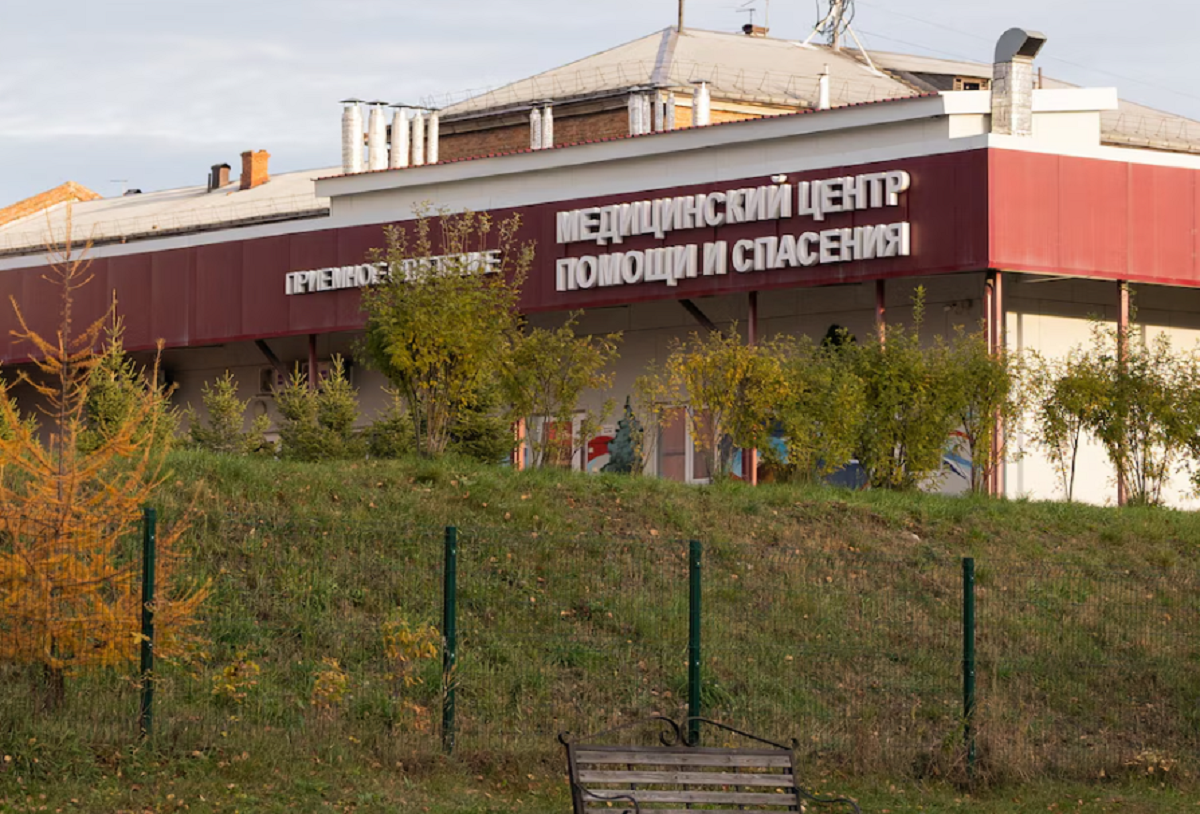
The U.S. Embassy in Russia requested its citizens located or present in the Siberian region of Irkutsk to extend personal care, comply with the provisions of local health authorities and avoid care facilities affected by isolation measures. The diplomatic warning was issued after reports of a suspected pneumonic plague linked to the death of a technical worker from a research institute in microbiology.
The official notice urges people who have passed through the area to monitor their health for 14 days and seek immediate medical assistance if they have fever or respiratory difficulties. In turn, the State Department recalled the validity of the Level 4 alert, which advises Americans not to travel to Russian territory and leave the country immediately due to general security risks and limited consular assistance capabilities outside Moscow.
In parallel, US President Donald Trump publicly confirmed that he will have a conversation on this matter with his Russian counterpart, Vladimir Putin. In front of the press at the White House, the US president noted that both governments have deep contacts and anticipated that he will report on the epidemiological situation in the next few hours.
Contractual versions and the position of the World Health Organization
The case has as its protagonist Daria Shipilova, 28 years old, who performed as a laboratory technique at the Institute of Anti-Pestilence Research in Siberia and the Far East. Although in various Russian news channels the version circulated that the young woman would have been ill after the accidental rupture of a test tube with the bacteria Yersinia pestis On 25 September, the official health surveillance body of Russia, Rospotrebnadzor, said that the pathological studies did not find microorganisms related to the tasks performed by the professional in her job.
Moscow did not officially confirm that the death would respond to a plague. According to data submitted by the Russian authorities to the World Health Organization (WHO), the disease was manifested as a common acute-viral respiratory infection, and laboratory tests applied to the victim’s close contacts were negative for dangerous pathogens.
In the face of this scenario, WHO reported that it assesses the level of health risk as “moderate to low” for the town of Irkutsk, low for the entire Russian Federation and “very low” for the European continent. However, the international body is in contact with the epidemiological authorities after having requested detailed details on the protocols applied.
Scientific background and discussion of international specialists
The episode reopened attention to bacteriological research facilities in northern Asia. Russia did not record confirmed human cases of plague since 2016, when a ten-year-old child contracted the infection in the Republic of Altai after taking contact with a wild marmota.
The Irkutsk Anti-Pestilence Institute is part of the health network inherited from the Soviet period, originally designed to monitor and intervene with natural zoonoses in the Siberia region. Some biosafety experts, such as researcher Amesh Adalja of the Johns Hopkins Centre for Health Security, recalled that historically part of this network of laboratories was linked to state microbiological research programs.
For their part, biotechnology specialists such as Kevin Esvelt, a professor at MIT Media Lab at the Massachusetts Institute of Technology, publicly expressed the need for greater information transparency by the control agencies. Esvelt based his position on the need to clarify the deployment of specialized personnel and interventions in care centres reported in the area. It should be noted that neither the WHO nor the diplomatic delegations confirmed the interventions of security forces at the specialized hospital in Shelekhov, nor is there public evidence linking this to the use of biological agents.
Diplomatic context and next steps in the bilateral relationship
The information handling of the health case coincides with a moment of definition on the political agenda between Washington and Moscow. The US government is scheduled to determine the possible application of new financial sanctions to Russian entities as part of the legislation enacted by the Trump administration on 18 September.
In this context, direct communication between heads of State and the provision of technical reports to international health agencies will determine the level of clarification on the real causes of the death of the Labour in Siberia.
Sources consulted: REUTERS Agency, US State Department. United States, World Health Organization (WHO), Rospotrebnadzor, official White House statements.