 Español
 Русский
 Deutsch
 Português (Brasil)
 Français
 Italiano
Chau to the cheap semaglutide in Mexico: slowed until 2029
The arrival of semaglutide generics in Mexico is stopped until 2029 due to regulatory obstacles to the patent. I knew the details of the market.

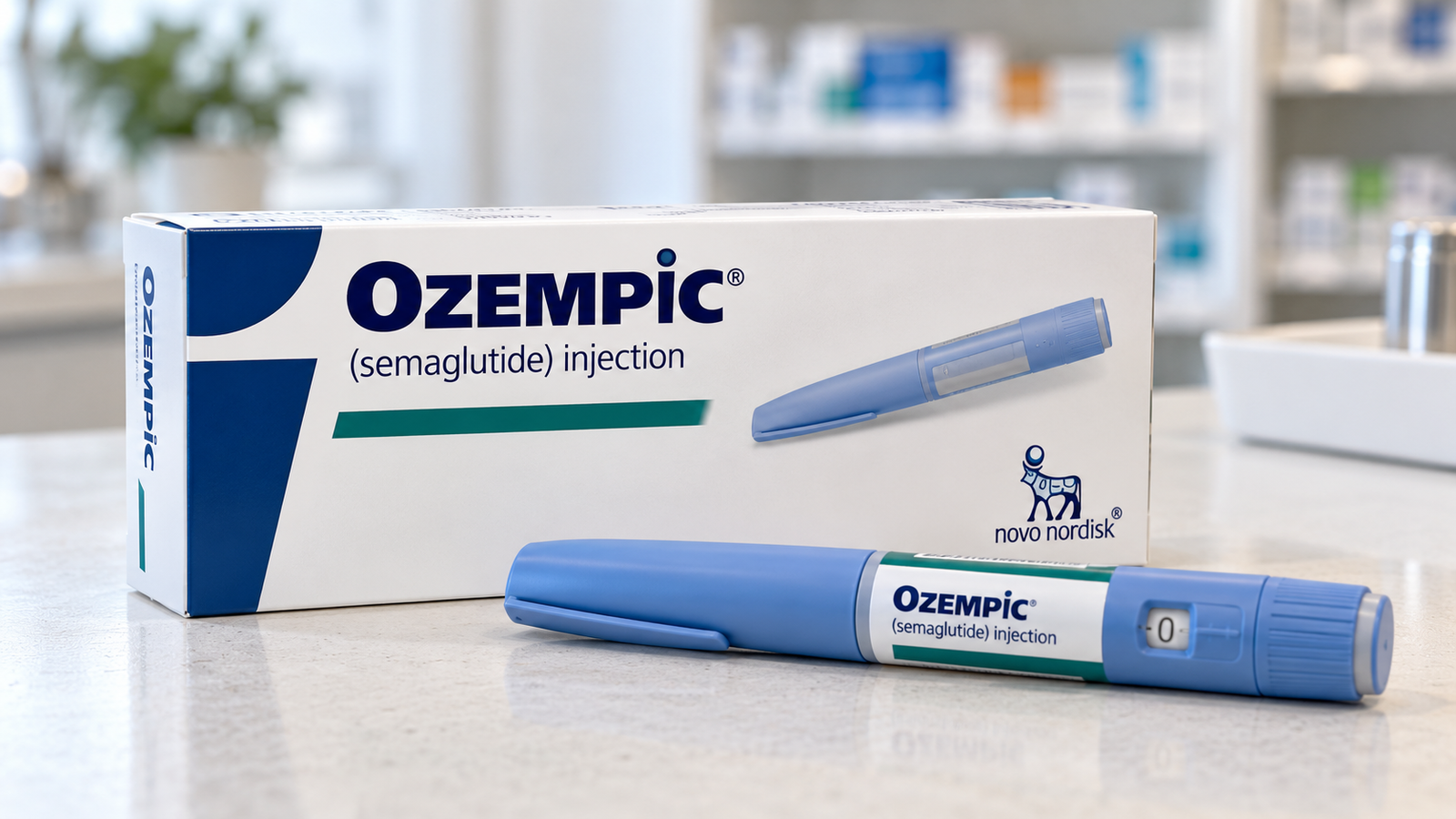
The arrival on the Mexican market of generic semaglutide-based medicines – the listed active substance used for the treatment of overweight and diabetes – could be significantly delayed and not materialized until 2029. Although the original patent of the chemical compound is due to expire in December of this year, an extension in the regulatory protection of clinical data holds back free competition in the pharmacies of the Aztec country.
The warning was publicly launched by Daniel del Conde, President of the National Association of Distributors and Laboratories of Generic Medicinal Products (Dilameg). The manager noted that this legal postponement gives rise to serious concern in the industrial and medical sector, given the strong impact it has on the family economy of patients and on national public health budgets.
High prices and impact on patients’ pocket
The central hub of the controversy lies in the high cost these state-of-the-art drugs represent today. LPG-1 receptor agonist-based treatments (marketed under global brands such as Ozempic and Wegovy by Danish pharmaceutical Novo Nordisk) currently demand a monthly disbursement of between 8,000 and 9,000 Mexican pesos.
With the possible eruption of generic versions made by national laboratories, the value of the monthly treatment would experience a drastic decrease of between 50% and 70%. This tariff difference is critical for the economy of users: by allocating a substantial portion of their income to treatment for weight loss, families are drastically reduced in their ability to cover other medicines, rehabilitation therapies or basic health needs.
The dispute over property rights and trade treaties
The current legal dispute exceeds the classic validity of the commercial patent, the general duration of which is 20 years in Mexico and formally defeated Novo Nordisk in March in that specific area. However, the Danish company maintains a strategic dispute before the courts to ensure the confidentiality and exclusivity of clinical studies submitted when applying for health registration of the drug on 3 July 2019.
Last December, the firm requested to save this regulatory information for at least 12 years, using data protection regulations linked to the free trade treaty (T-MEC). In the light of this presentation, the First Collegiate Court in Administrative Matters of the First Circuit held that the Mexican health authorities must grant a minimum period of protection of 10 years from the issue of the health register. In addition, another court decided to suspend in a precautionary manner the record submitted by a competing firm seeking to market a version with the same molecule.
Regional overview: the gap with Brazil, Canada and India
The impossibility of making generic versions places Mexico at a disadvantage compared to other international markets and the Americas region itself. Countries such as Brazil, Canada and India already have generic versions of semaglutide on their pharmaceutical shelves, which facilitated the mass access of their populations to advanced metabolic therapies.
From the Dilameg entity – which nuclea more than 50 laboratories and distributors responsible for producing more than half of the generic medicines consumed in Mexico and supplying 20,000 points of sale – industry industrialists seek to prevent the judicial blockade from being consolidated. Semaglutide not only stimulates gradual loss of body mass, but also provides important associated hemodynamic benefits, such as metabolic control of blood glucose and progressive reduction in levels of hypertension, cholesterol and triglycerides.
The health challenge in a country hit by obesity
The delay in the landing of generics, according to pharmaceutical managers, represents a “serious risk to national public health.” Mexico is still among the nations with the highest rates of malnutrition and overweight on the global map.
Official figures from the National Health and Nutrition Survey (ENSANUT) show that over 70 per cent of the adult population and 35 per cent of Mexican children and adolescents are overweight or obese. In this context, therapeutic alternatives based on LPG-1 molecules are central tools for containing the NCDs epidemic. If the existing court decisions are upheld, the most likely scenario is that the market will maintain commercial exclusivity until 2029, when the judicial protection of scientific documentation would expire.